Games and Activities for Homeschooling (Part 1)

About ten days before school was set to start for our kindergartner, we decided to enroll her in our district’s virtual option to begin the year. Unlike the “classroom-teacher-via-Zoom” method of education many experienced last year, our program is completely virtual through a combination of Lincoln Learning Solutions curriculum, offline activities, and a weekly session with a district kindergarten teacher.

Here are some of the games and activities we are using with our daughter to meet our state’s daily requirements:

Sums in Space board game
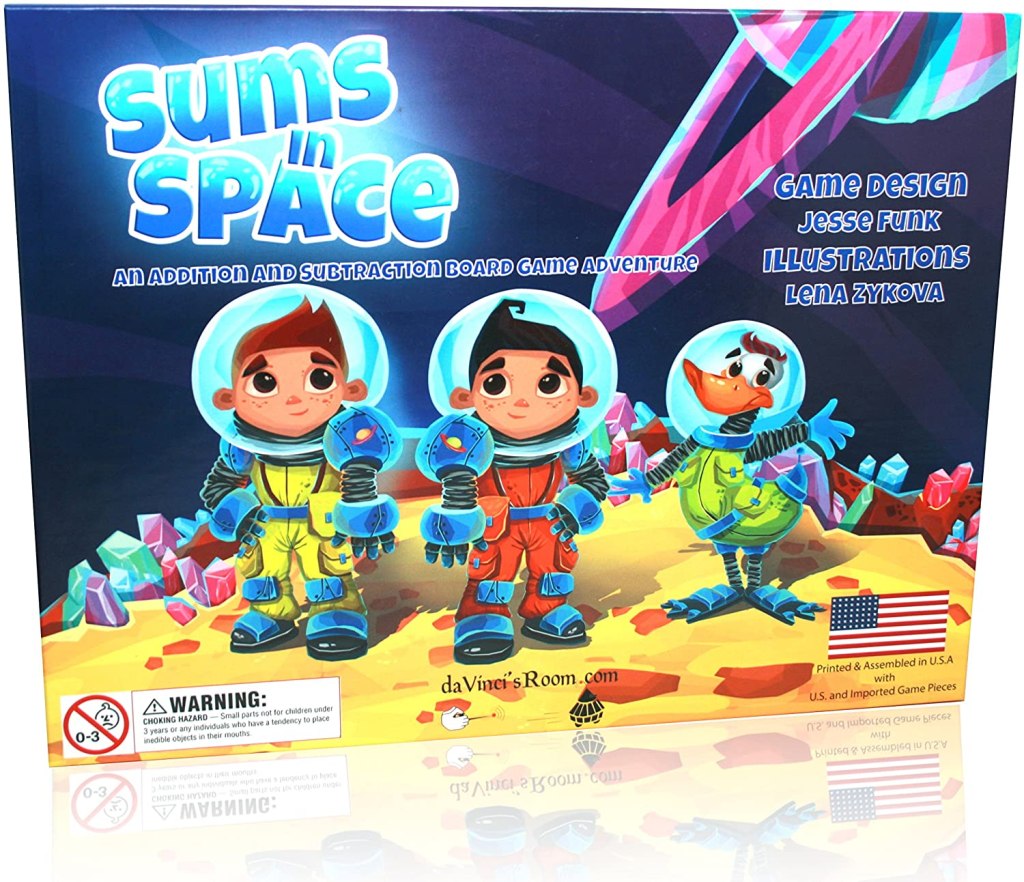
Choose between in competitive or cooperative play to practice basic addition and subtraction using numbers 0-9. Get to your rocket to escape the planet before it blasts off without you!

Outnumbered board game

In this cooperative game, players must band together as math superheroes to defeat Absolute Zero and his minions. Three levels of difficulty allow this game to be played with learners practicing basic addition and subtraction to more complex math skills for older children. The game mechanisms in this one are much more reminiscent of modern board games than traditional educational games.

Perfect Timing activity
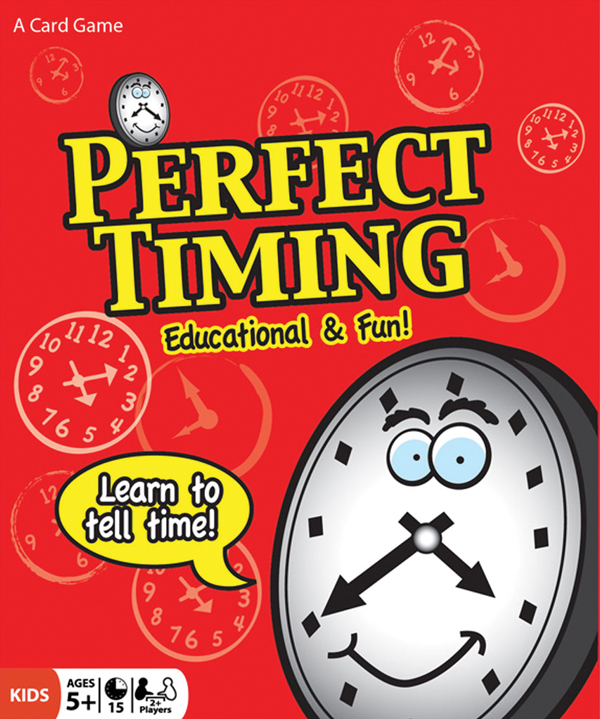
Practice telling time by working together to move the hands of the clock to match the cards.

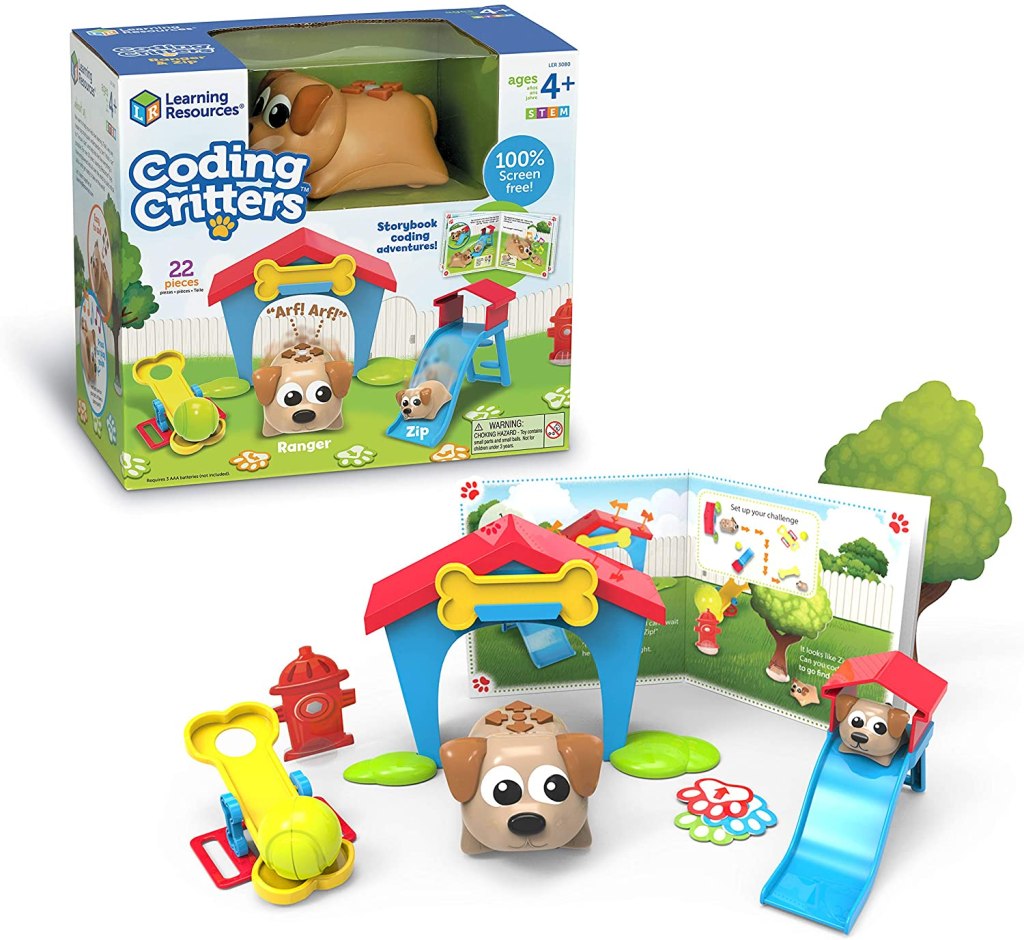
Coding Critters: Scamper & Sneaker
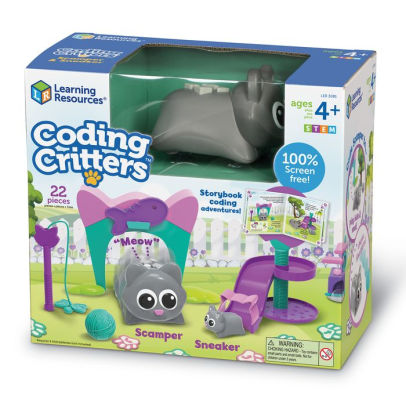
Introduce basic coding to preschoolers and kindergarterns with these adorable programmable animals from Learning Resources. Each kit comes with a small book of challenges, and with a little imagination, you can also create plenty of your own.

Other animals: triceratops / dogs / rabbits
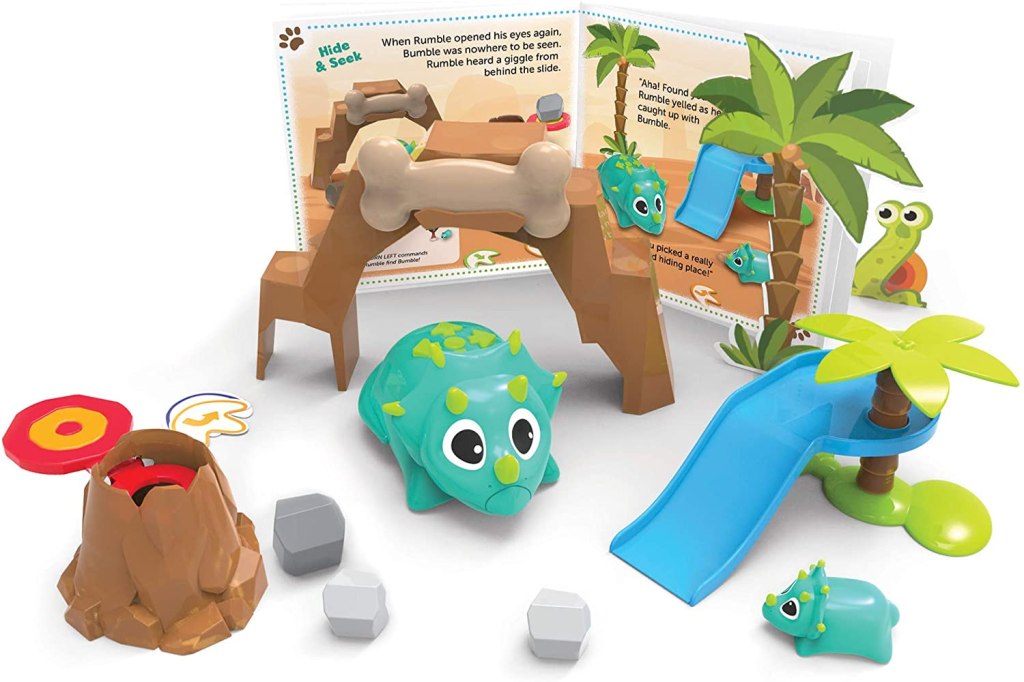
STEM Building Activity
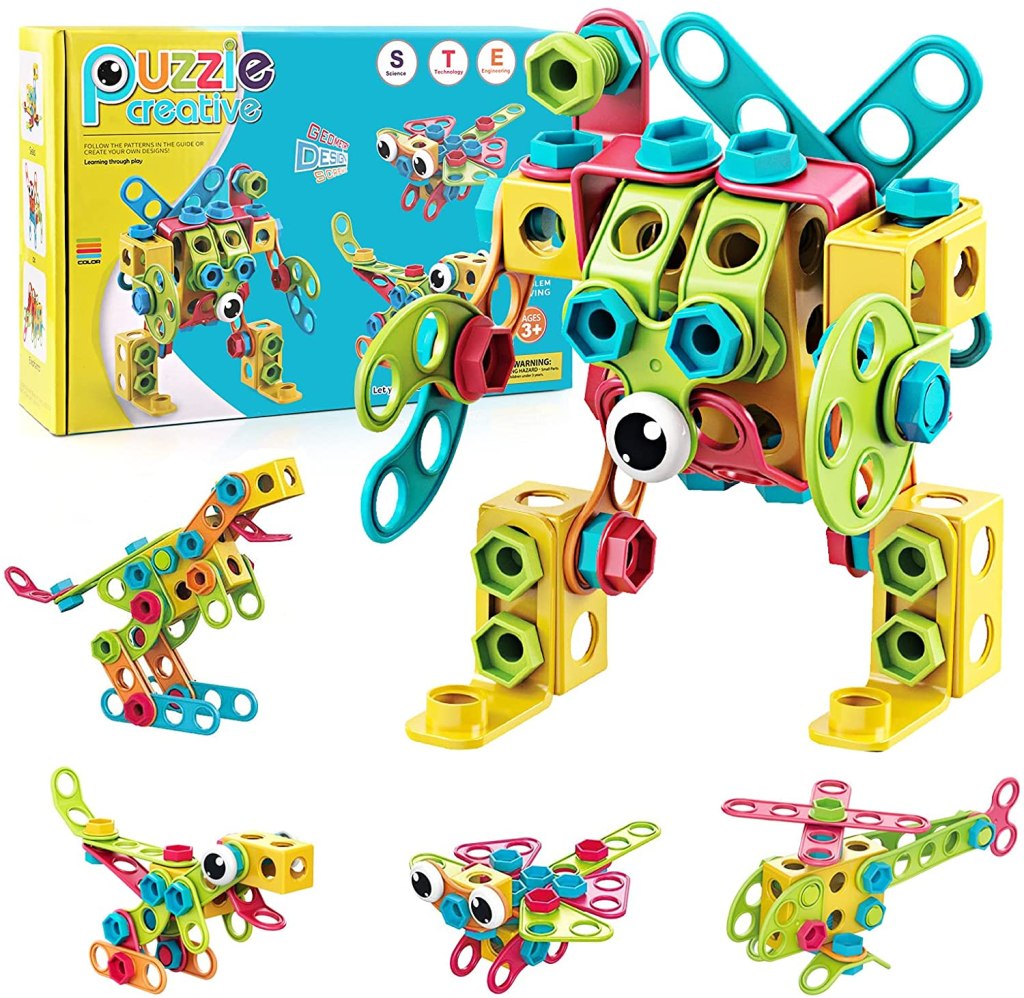
I was looking for an alternative to Lego (extremely popular in our house) that would provide instructions to follow for assembling animals and vehicles. I picked this up when it was on sale for under $13.

Imagination Patterns
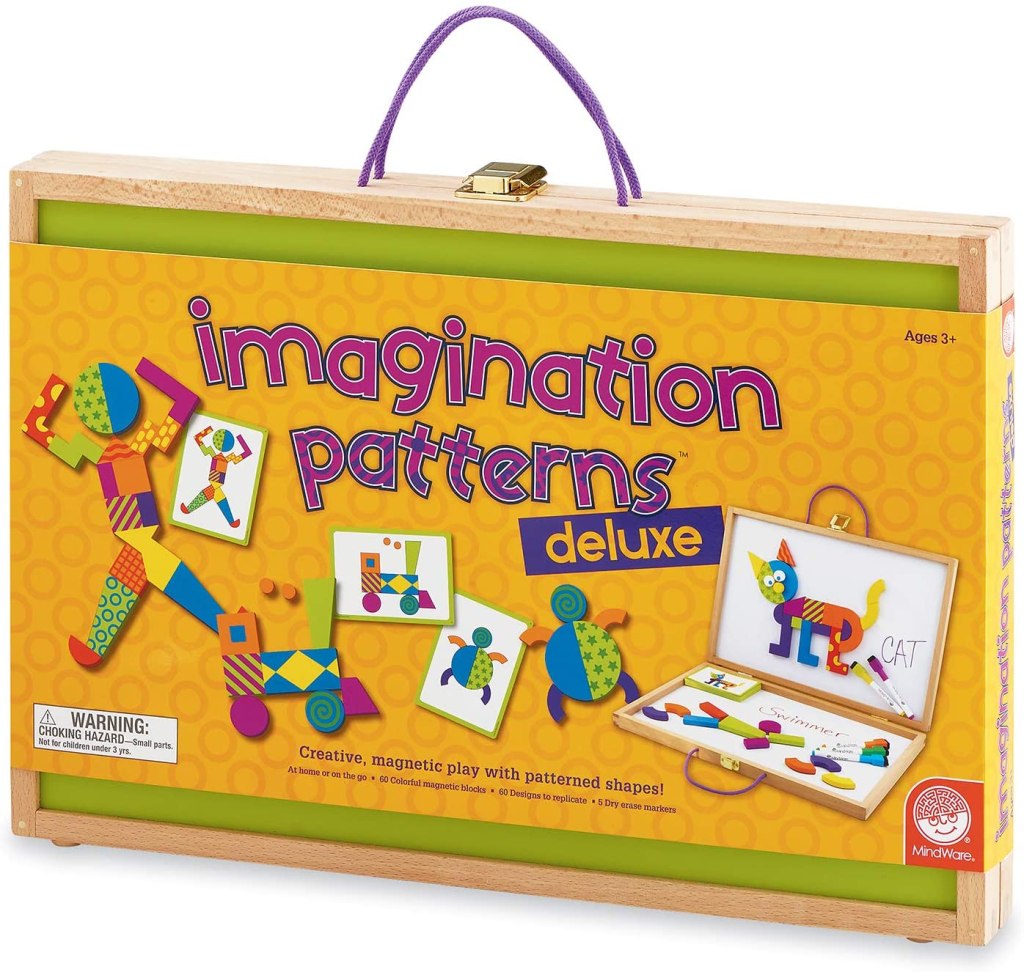
Our daughter received this pattern play set for Christmas when she was four, and it continues to get attention almost two years later. Choose a card and replicate the pattern by placing colorful shapes on the magnetic board.

Mental Blox

Colorful cards lead children through a series stacking challenges with a twist: once you have completed a structure to match the card, an adult will read a sentence instructing the child to manipulate the structure to complete a more “thinky” challenge, like moving one of the blocks to create symmetry.

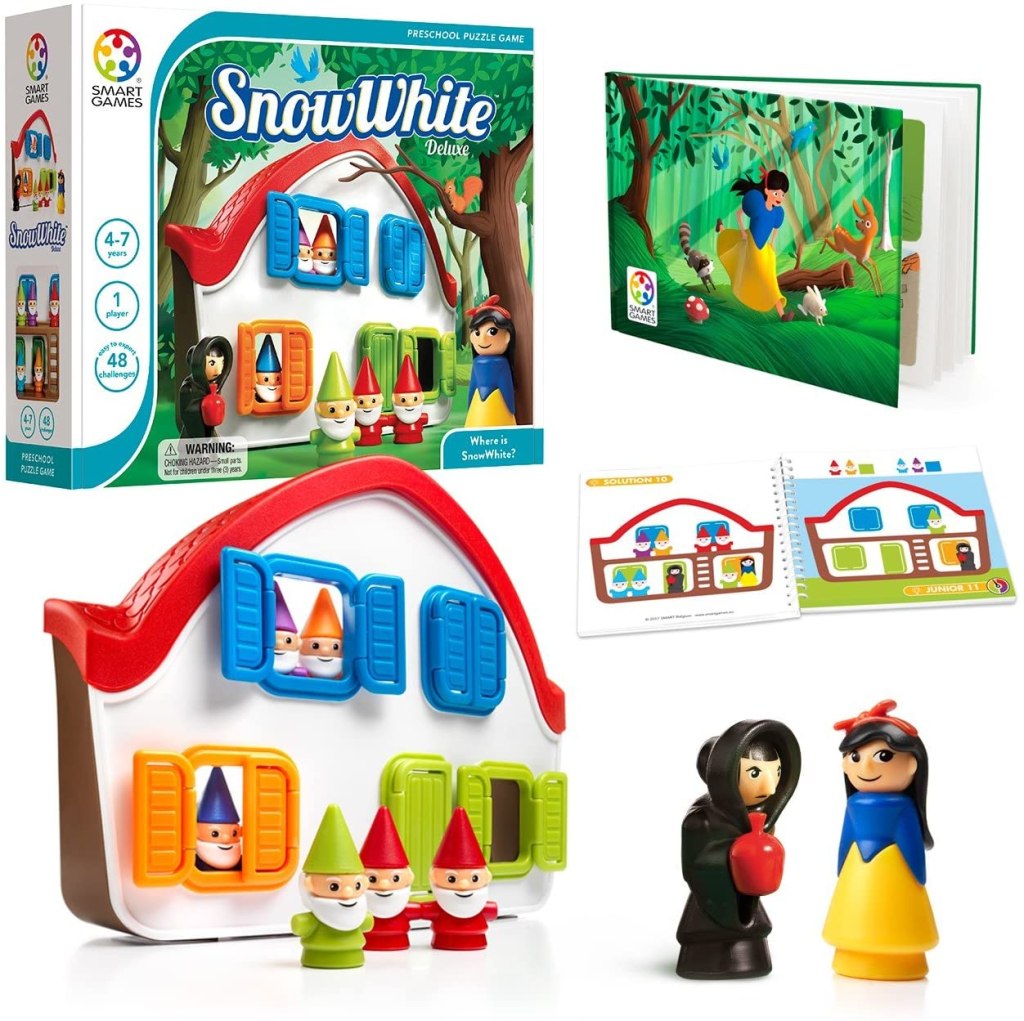
Little Red Riding Hood Deluxe
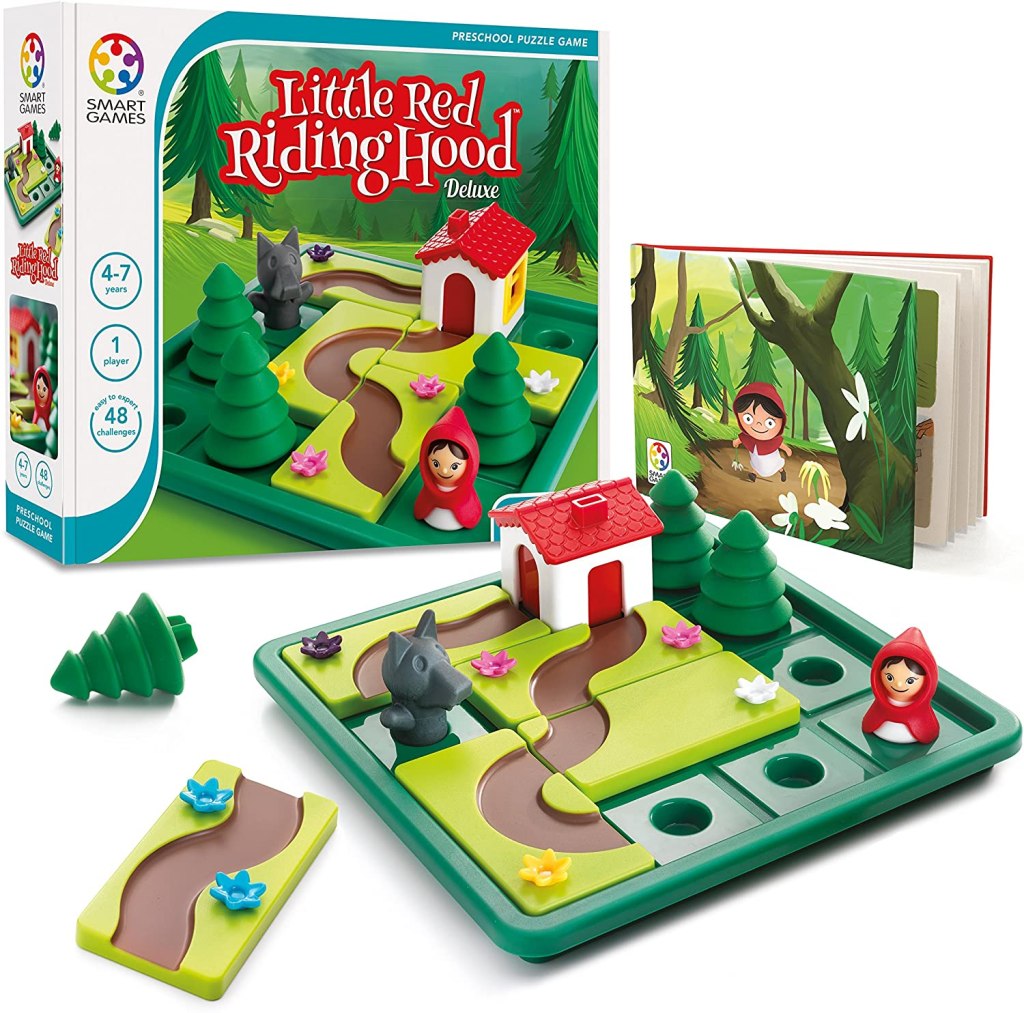
Visually appealing and stimulating for kids of all ages, the logic puzzles from Smart Games are fantastic for building critical thinking skills. Manipulating the tiles, trees, and characters is just more fun that using pencil and paper!

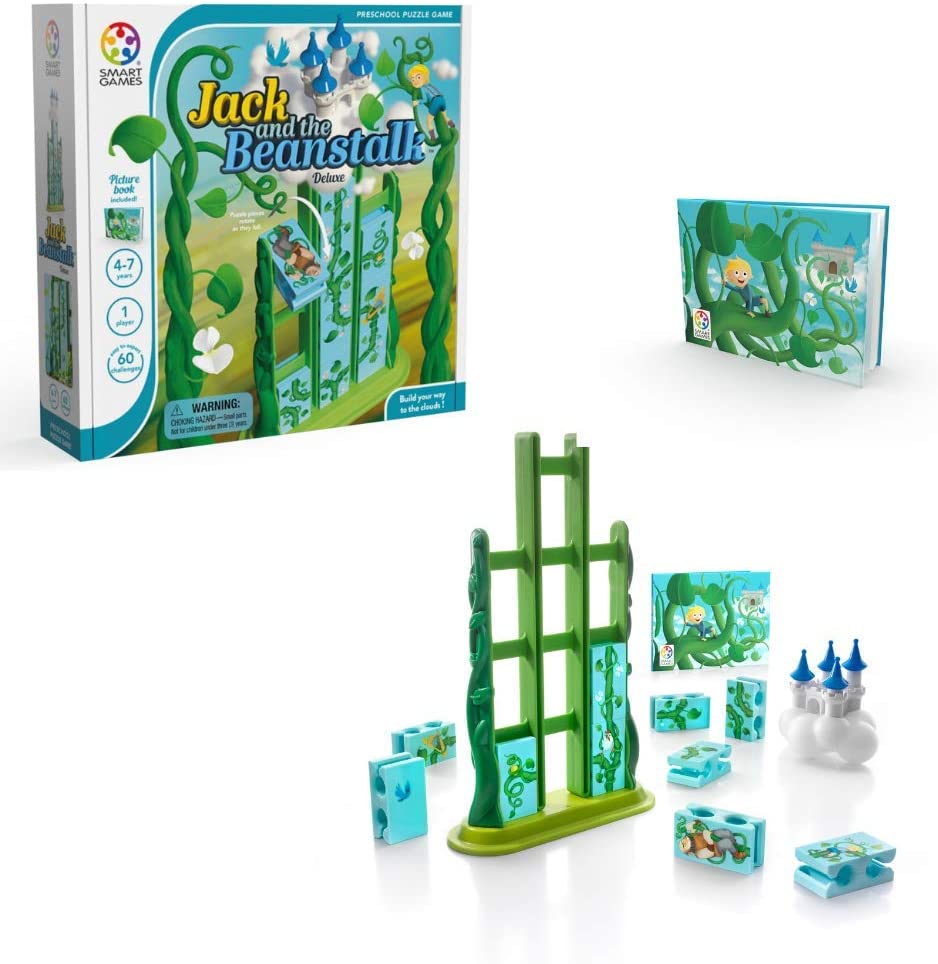
Other fairy tale logic games include: Sleeping Beauty, Jack and the Beanstalk, Snow White, and Three Little Piggies.

Very Silly Sentences

Practice parts of speech and sentence-building in this fun game from DK Games. With three different sentence lengths incorporating various parts of speech, the game can be used with early readers through elementary-aged children. Our daughter loves making funny sentences!

Note: the puzzle version currently sold on Amazon is NOT the one you want. To find the version of the game shown here, you will need to explore eBay or Facebook Marketplace.

Paint by Sticker books

These “paint by sticker” books are a quiet way to sit and practice school concepts while creating a beautiful mosaic picture. Matching the numbers or letters on the image with the stickers in the back of the book reinforces alphabet and number recognition. Many styles of this book are available, so choose one that would appeal to your child!

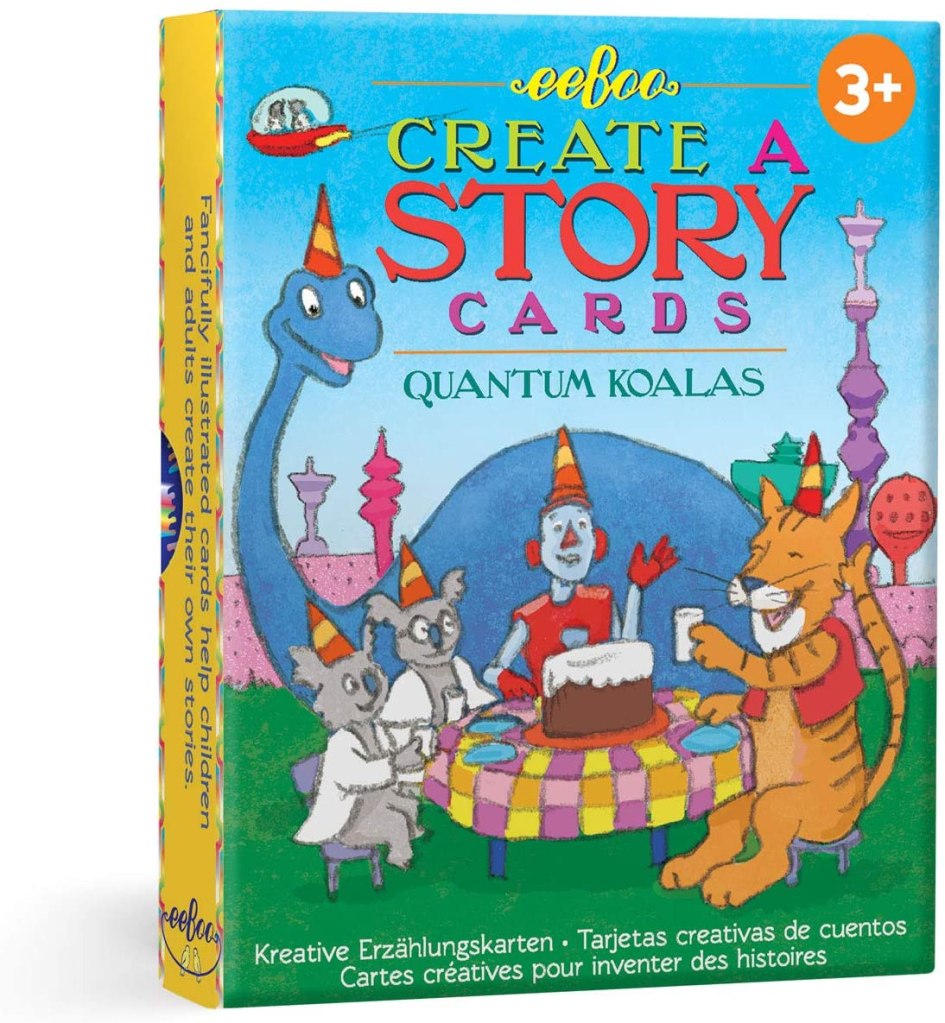
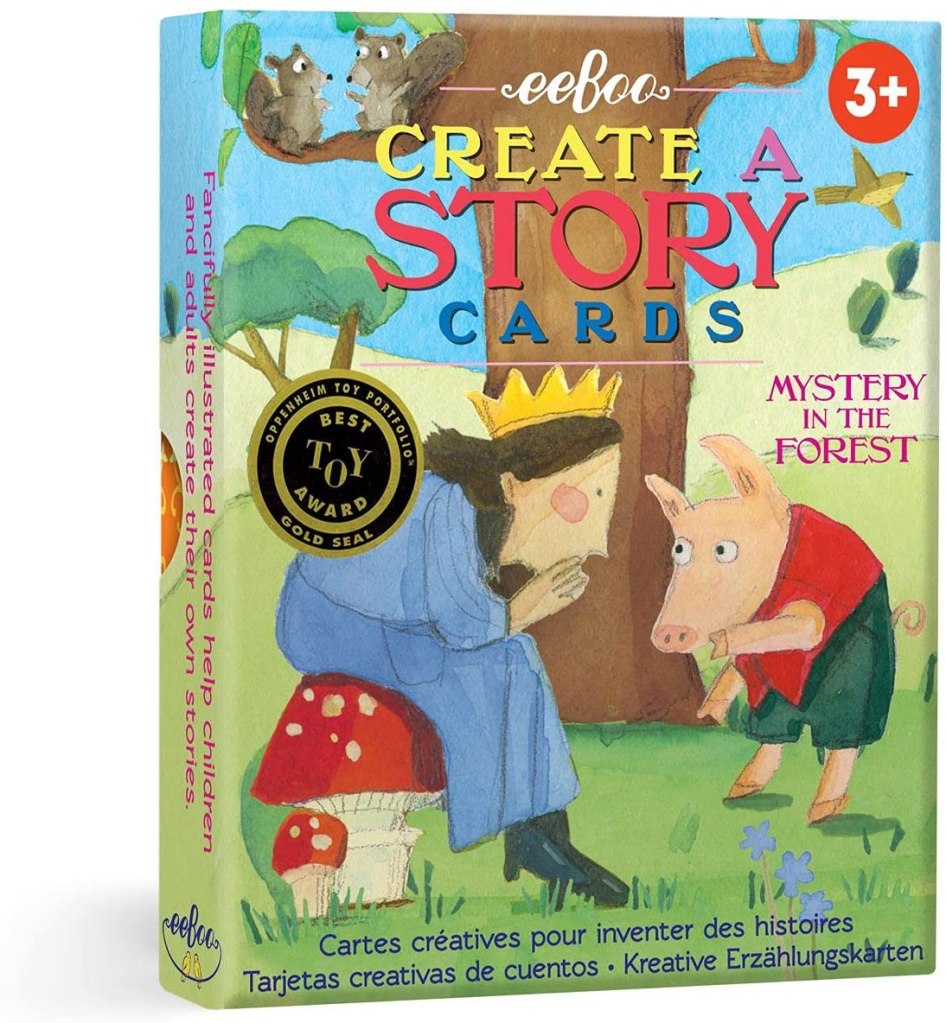
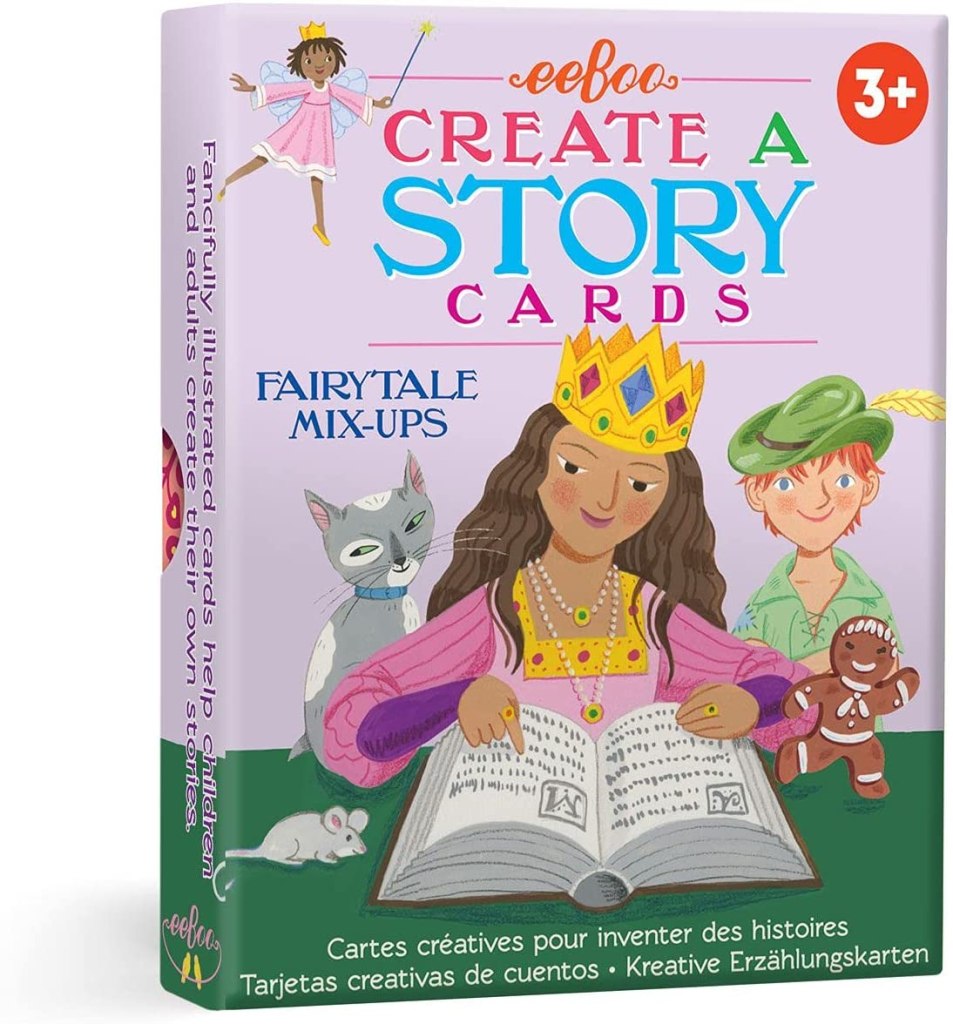
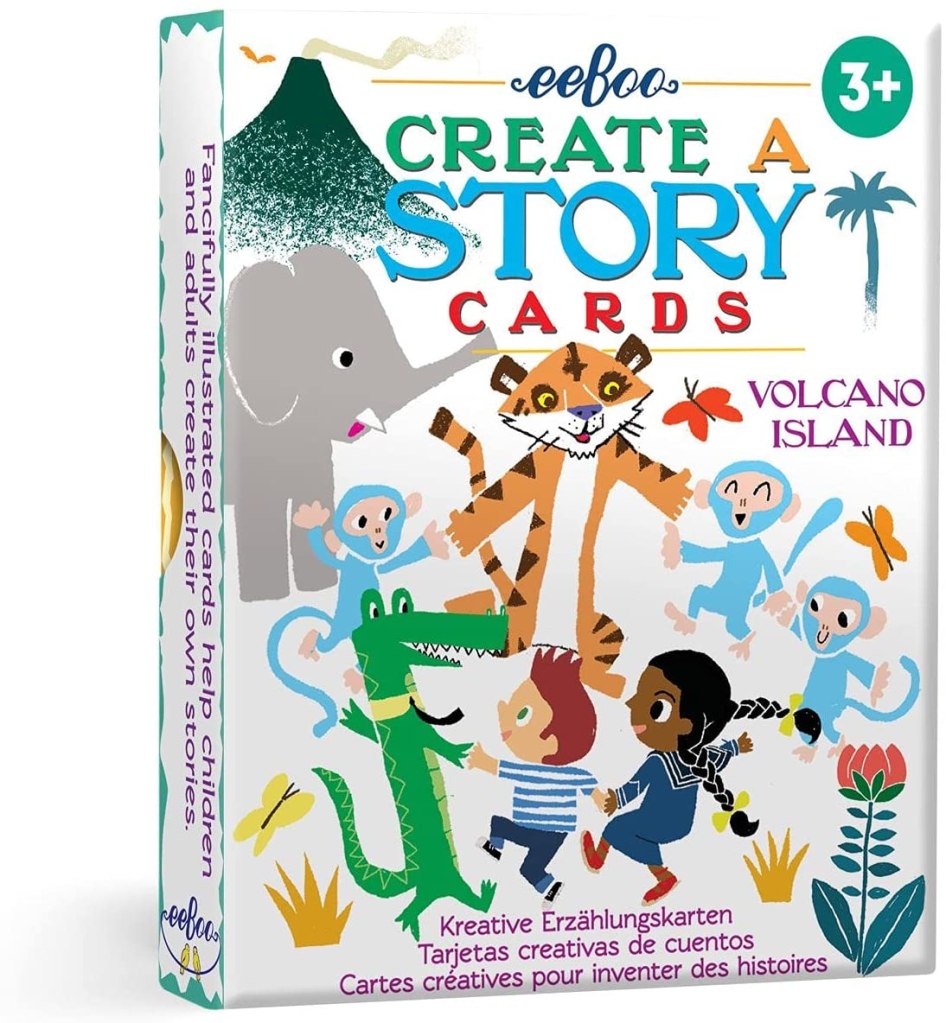
Create-a-Story Cards
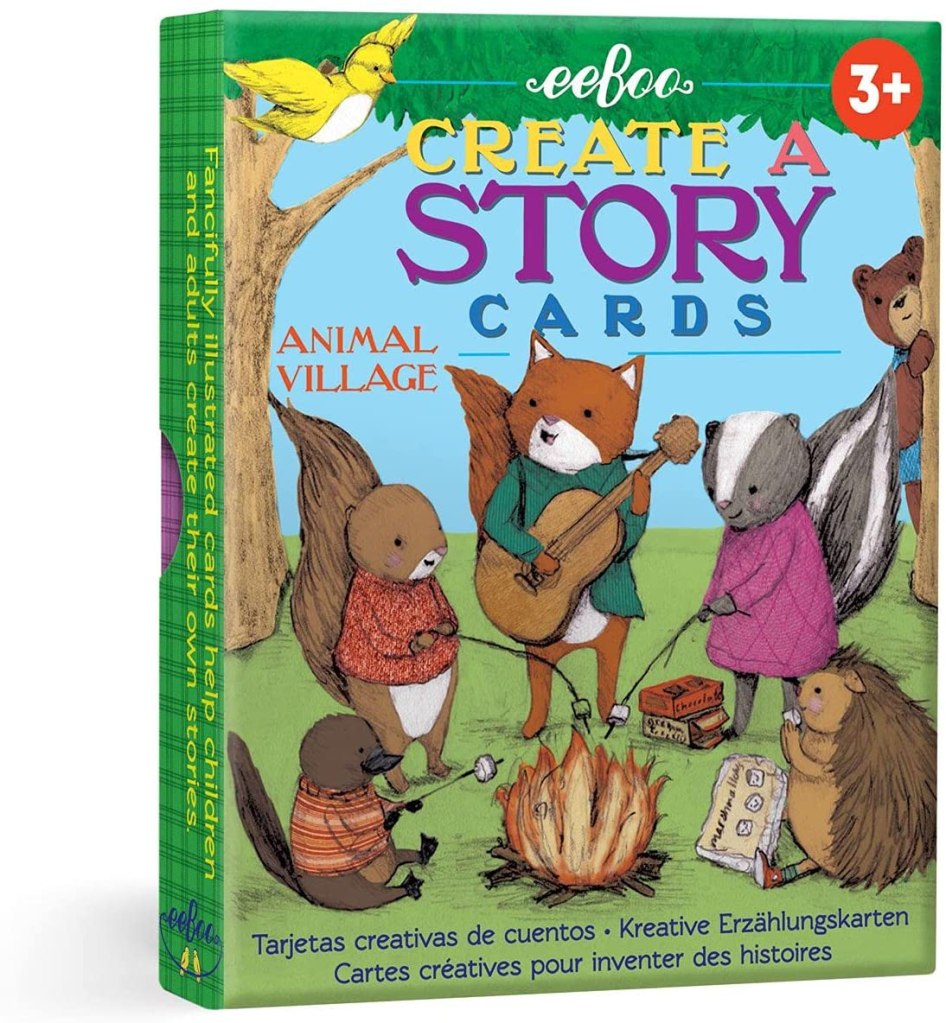
from left to right: Animal Village / Quantum Koalas / Mystery in the Forest / Fairy Tale Mix-Ups / Volcano Island

The lovely illustrations and themes of these story card decks can be used in a variety of ways to practice language skills with children ages three and up through elementary school. (I will be doing a separate post on ways to use the cards with different age groups.) You’re only limited by your imagination!


If you have any questions about the activities shown here, send me a message! I am always happy to connect with families!

I am an Amazon affiliate and purchasing these items through the links provided help support Cozy Little Brown House.
Our Favorite Gamewright Games

Gamewright, founded by four parents in 1994, has become a leading publisher in the board game industry for creative and engaging family games. The colorful designs, high quality components, and friendly price tags continue to amaze me with each new release. Boasting over 150 titles and 300 awards since the company’s launch, gathering around the table with a Gamewright game means fun for all ages.

Here are a few of our family’s favorites:

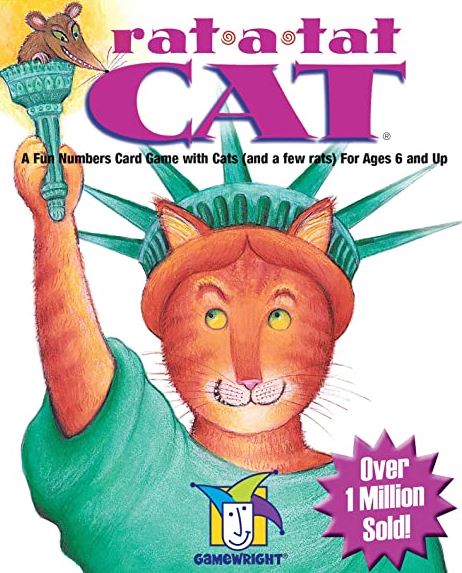
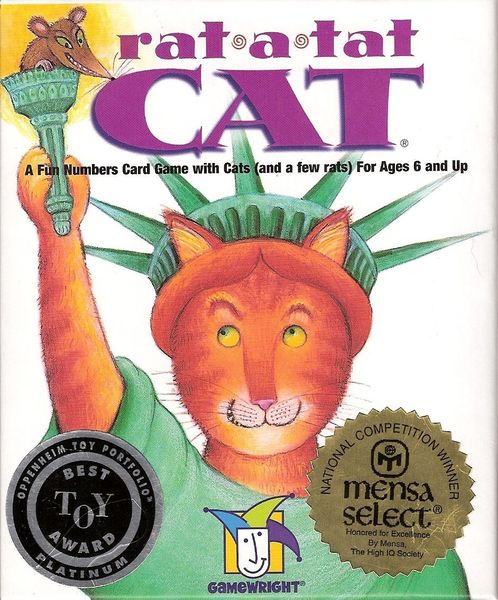
rat-a-tat CAT

Deal four cards facedown to each player, only peeking at the two cards on the ends. Draw a card each turn, hoping to replace the higher value cards with lower value cards, aiming for the lowest score. When you’re ready to score, call out “rat-a-tat-cat!” and the other players takes their final turn. Special cards allow for drawing two cards, swapping, or peeking at one card. Skills: Memory and basic addition with numbers 1-9. We play five rounds per game and then score.

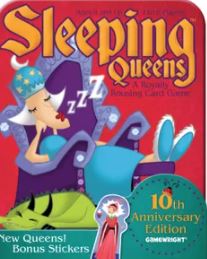
Sleeping Queens

This was our daughter’s first card game, and it remains a favorite. Discard number cards or sets of matching number cards to draw from the draw pile, hoping to find king cards to wake the sleeping queens. Each queen has a point value – the first player to 5 queens or 50 points wins. Watch out for knights and sleeping potion! Skills: number recognition and number matching

Sushi Go!

Collect colorful sushi and puddings to score the most points! From your starting hand, select a card to simultaneously reveal and place on the table in your player space. Pass remaining cards, choosing one again to play into your table space. Repeat until all cards have been passed and chosen. (This is called card drafting.) Try to collect matching sets based on sushi requirements and save the most puddings for an end-game bonus! Skills: matching, collecting to score the most points, addition up to about 20 each round

Sushi Roll

The game play is very similar to its big brother, Sushi Go, but instead of passing cards, players pass dice around on “trays.” Two new icons give special actions to players: menu dice allow for re-rolls, and chopsticks dice allow for swapping. Since purchasing Sushi Roll, we have been exclusively playing it over Sushi Go. We love rolling dice! Hot tip: when little hands have a difficult time with chunky dice, we use a cup for rolling! Skills: matching, collecting to score the most points, addition up to about 20 each round

Outfoxed!

Who stole the chicken pot pie? Moving around the town board to designated spaces, choose between revealing clues about the suspects or displaying additional suspect cards. Using the clues, eliminate the fox thieves one by one until you solve the mystery…before the fox gets back home! This game contains a really neat clue device our daughter loves, and the game’s difficulty can be slightly adjusted. Skills: deduction

Go Away Monster!

Go Away Monster! holds a special place in my heart as our daughter’s introduction to boardgaming at age three. The concept is simple: each player receives a board that depicts a bedroom and passes around a bag to draw pieces from to complete the bedroom scene (bed, art, stuffed animal, etc.) Look out though, because the bag also contains monsters! Draw one of these and you must shout, “Go away monster!” and toss it into the box lid. Skills: touch, shape recognition

Trash Pandas

As raccoons pawing through the trash to collect items for scoring points, players vie to collect the most from the trash can before the final card has been grabbed from the deck. Roll dice to push-your-luck for actions, but don’t get too greedy and bust! Draw cards, stash cards for scoring, steal cards, and more as you hunt for pizza (mmm pie!), bananas (nanners) and other trashy treasures. This game requires some reading, but the few cards can be easy for non-readers to memorize. Skills: probability, simple addition

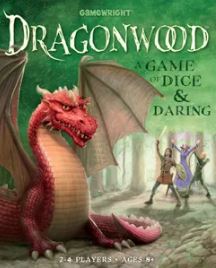
Dragonwood

Collect adventurer cards in sets of matching colors, numbers, or in sequential order to earn dice to roll for capturing creatures in the forest. Skills: The six dice are numbered from 1-4, so practicing addition is fantastic in this game. Probability also factors in – how many dice do you need to try to roll for a particular sum?

Forbidden Island

Assume the role of a skilled adventurer as your group descends upon a sinking island to acquire four treasures before it floods. Beautiful artwork and cooperative game play (players work together to beat the game instead of competing against one another) make this game a fun family favorite. Note: Forbidden Desert is a more advanced game, and Forbidden Sky is one to pass on. Skills: strategic thinking, problem-solving, cooperation

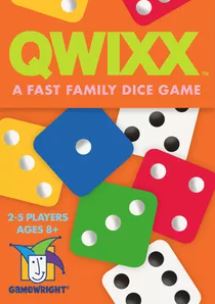
Qwixx

One of our favorite “date night games,” Qwixx is a fun roll & write (roll dice and record something on your scoresheet) that involves all players on every turn. Roll six dice, using sums of the colored dice and sums of the white dice to cross off numbers in each colored row moving from left to right on the score sheet. The more numbers you cross off, the more points you score, but you can never go backwards to numbers you have skipped. Decisions are simple, but important, making this a weeknight game we love. Our daughter is a bit young for this one, but we will probably introduce it around 7 years.

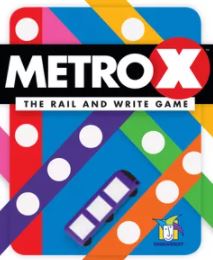
Metro X

In this colorful flip & write (like a roll & write but cards instead of dice!) reveal numbered/special ability cards to cross out subway stops on your dry-erase player board, trying to score the most points by completing routes. The most strategic on this list, I would recommend Metro X for older children and adults…sometimes this one burns my brain (in a good way!) Enjoy a good puzzle with your morning coffee? This also plays great solo! Skills: strategy, probability

Do you have questions about any of the games featured on our list? Want to share your family’s favorite Gamewright game with me? Comment below or message me to chat!

I am an Amazon affiliate and earn commission when you purchase through the links included on my website. Thank you for your support!

Math Games for Preschool/Kindergarten

Here are some of our family’s current favorite games for practicing math skills with our daughter:

Push

Sort cards into a maximum of three piles without duplicating color or number, trying to bank the most points. Push your luck, and you might bust and miss out on taking a card stack and then have to roll the dice to discard! We sort cards into piles of ten to practice addition and counting by tens during end game scoring.

Roll for it!

Roll your dice to match the dice required by each card to earn the card for scoring, but watch out, because other players might want the card too! The first player to collect enough cards to reach 40 points wins. We use this game for dice and pattern matching, and addition.

Dragonwood

Collect adventurer cards in sets of matching colors, numbers, or in sequential order to earn dice to roll for capturing creatures in the forest. The six dice are numbered from 1-4, so practicing addition is fantastic in this game. Probability also factors in – how many dice do you need to try to roll a particular number? Our daughter sometimes needs help with this skill.

Check the Oven!

Collect various baked goods to equal a dozen each by requesting from players what you would like. (Go-Fish-style.) The game also involves bluffing, as all players must lay down cards on each turn. Get rid of the pie cards, because they cost points at the end of the game. This is a good game to introduce basic addition to 12 points. Melon Rind games has additional titles in this series for more complex math skills too!

Sleeping Queens

This was our daughter’s first card game, and it is still a favorite. Discard number cards or sets of matching number cards to draw from the draw pile, hoping to find king cards to wake the sleeping queens. Each queen has a point value – the first player to 5 queens or 50 points wins. Watch out for knights and sleeping potion! This is a perfect game to introduce number recognition and number matching to little gamers.

rat-a-tat Cat

Deal four cards facedown to each player, only peeking at the two cards on the ends. Draw a card each turn, hoping to replace the higher value cards with lower value cards, aiming for the lowest score. When you’re ready to score, call out “rat-a-tat-cat!” and each player takes their final turn. Memory and basic addition of cards numbered 1-9 are practiced with this game. It’s one of our family’s favorites, and we play five rounds per game then score.

I am an Amazon affiliate and earn commission when you purchase through the links included on my website. Thank you for your support!

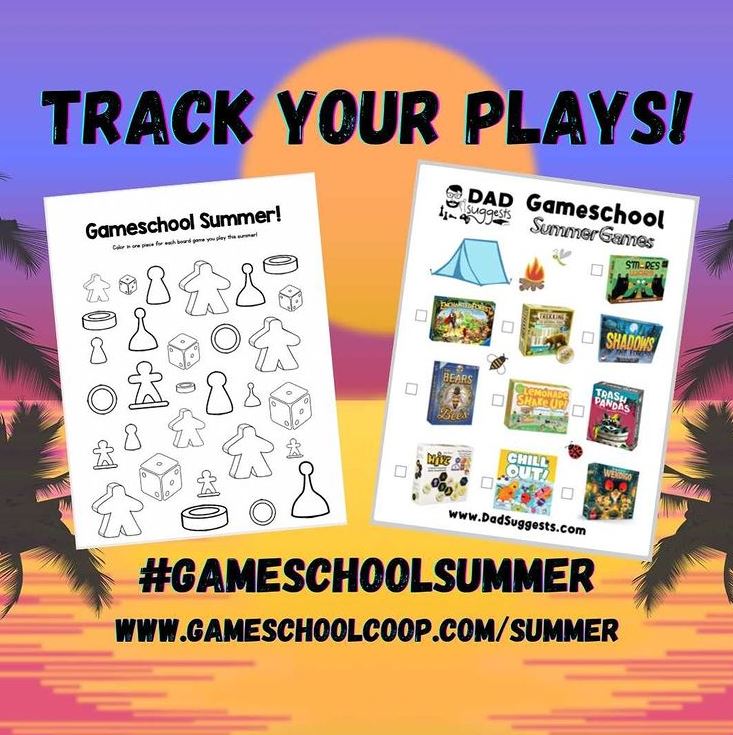
Gameschool Summer with The Gameschool Co-Op

Summer vacation is almost here, but that doesn’t mean the learning stops!

Combine fun and education when you plan for a Gameschool Summer with The Gameschool Co-op.

Continuing to strengthen skills like math, spelling, and critical thinking while having family fun is possible with a summer full of board games.

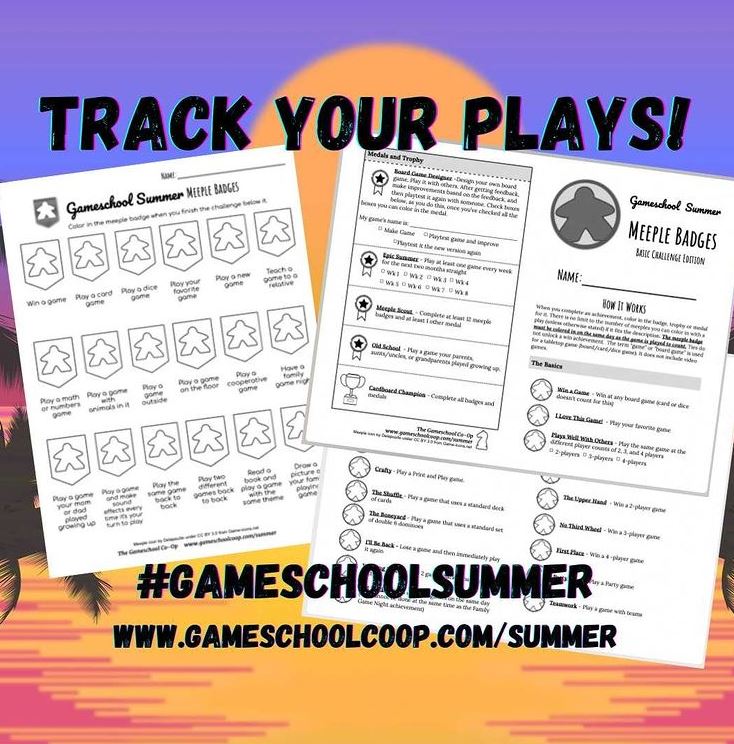
The team at The Gameschool Co-Op has created incredible resources for gaming through the summer months, all free to download and print.

Items include:

  • print and play games
  • coloring sheets
  • word & math puzzles/activities
  • board game trackers
  • board game challenges
  • meeple badges
  • game design activities
  • certificate of completion

Our family is all in on these summer boardgaming challenges and will be sharing our progress on Instagram and here on the website.

Whether you’re new to the hobby or a seasoned board game geek, I hope you’ll join in the fun too!