Our Favorite Gamewright Games

Gamewright, founded by four parents in 1994, has become a leading publisher in the board game industry for creative and engaging family games. The colorful designs, high quality components, and friendly price tags continue to amaze me with each new release. Boasting over 150 titles and 300 awards since the company’s launch, gathering around the table with a Gamewright game means fun for all ages.

Here are a few of our family’s favorites:

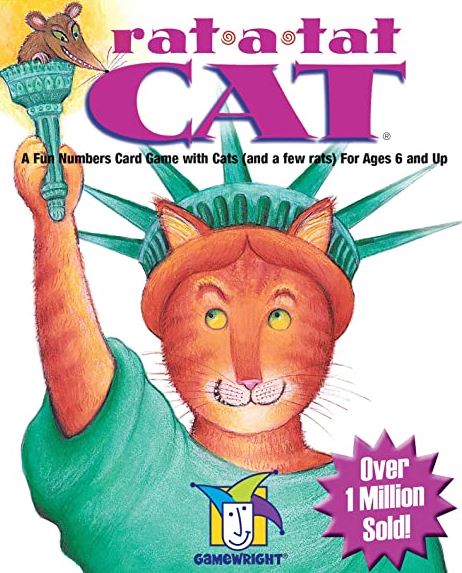
rat-a-tat CAT
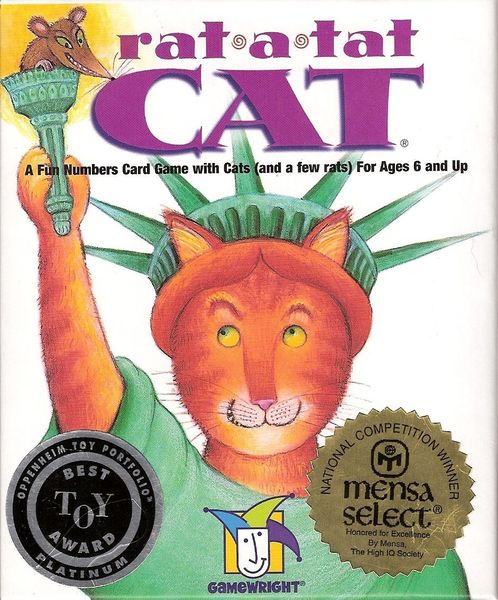
Deal four cards facedown to each player, only peeking at the two cards on the ends. Draw a card each turn, hoping to replace the higher value cards with lower value cards, aiming for the lowest score. When you’re ready to score, call out “rat-a-tat-cat!” and the other players takes their final turn. Special cards allow for drawing two cards, swapping, or peeking at one card. Skills: Memory and basic addition with numbers 1-9. We play five rounds per game and then score.

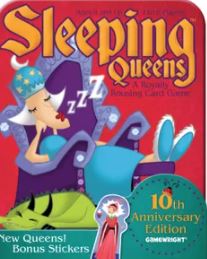
Sleeping Queens

This was our daughter’s first card game, and it remains a favorite. Discard number cards or sets of matching number cards to draw from the draw pile, hoping to find king cards to wake the sleeping queens. Each queen has a point value – the first player to 5 queens or 50 points wins. Watch out for knights and sleeping potion! Skills: number recognition and number matching

Sushi Go!

Collect colorful sushi and puddings to score the most points! From your starting hand, select a card to simultaneously reveal and place on the table in your player space. Pass remaining cards, choosing one again to play into your table space. Repeat until all cards have been passed and chosen. (This is called card drafting.) Try to collect matching sets based on sushi requirements and save the most puddings for an end-game bonus! Skills: matching, collecting to score the most points, addition up to about 20 each round

Sushi Roll

The game play is very similar to its big brother, Sushi Go, but instead of passing cards, players pass dice around on “trays.” Two new icons give special actions to players: menu dice allow for re-rolls, and chopsticks dice allow for swapping. Since purchasing Sushi Roll, we have been exclusively playing it over Sushi Go. We love rolling dice! Hot tip: when little hands have a difficult time with chunky dice, we use a cup for rolling! Skills: matching, collecting to score the most points, addition up to about 20 each round

Outfoxed!

Who stole the chicken pot pie? Moving around the town board to designated spaces, choose between revealing clues about the suspects or displaying additional suspect cards. Using the clues, eliminate the fox thieves one by one until you solve the mystery…before the fox gets back home! This game contains a really neat clue device our daughter loves, and the game’s difficulty can be slightly adjusted. Skills: deduction

Go Away Monster!

Go Away Monster! holds a special place in my heart as our daughter’s introduction to boardgaming at age three. The concept is simple: each player receives a board that depicts a bedroom and passes around a bag to draw pieces from to complete the bedroom scene (bed, art, stuffed animal, etc.) Look out though, because the bag also contains monsters! Draw one of these and you must shout, “Go away monster!” and toss it into the box lid. Skills: touch, shape recognition

Trash Pandas
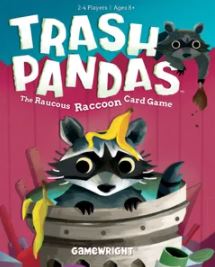
As raccoons pawing through the trash to collect items for scoring points, players vie to collect the most from the trash can before the final card has been grabbed from the deck. Roll dice to push-your-luck for actions, but don’t get too greedy and bust! Draw cards, stash cards for scoring, steal cards, and more as you hunt for pizza (mmm pie!), bananas (nanners) and other trashy treasures. This game requires some reading, but the few cards can be easy for non-readers to memorize. Skills: probability, simple addition

Dragonwood
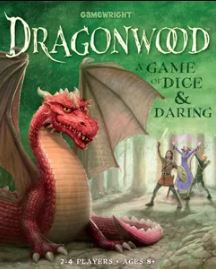
Collect adventurer cards in sets of matching colors, numbers, or in sequential order to earn dice to roll for capturing creatures in the forest. Skills: The six dice are numbered from 1-4, so practicing addition is fantastic in this game. Probability also factors in – how many dice do you need to try to roll for a particular sum?

Forbidden Island

Assume the role of a skilled adventurer as your group descends upon a sinking island to acquire four treasures before it floods. Beautiful artwork and cooperative game play (players work together to beat the game instead of competing against one another) make this game a fun family favorite. Note: Forbidden Desert is a more advanced game, and Forbidden Sky is one to pass on. Skills: strategic thinking, problem-solving, cooperation

Qwixx
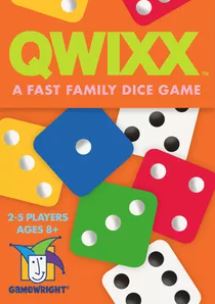
One of our favorite “date night games,” Qwixx is a fun roll & write (roll dice and record something on your scoresheet) that involves all players on every turn. Roll six dice, using sums of the colored dice and sums of the white dice to cross off numbers in each colored row moving from left to right on the score sheet. The more numbers you cross off, the more points you score, but you can never go backwards to numbers you have skipped. Decisions are simple, but important, making this a weeknight game we love. Our daughter is a bit young for this one, but we will probably introduce it around 7 years.

Metro X
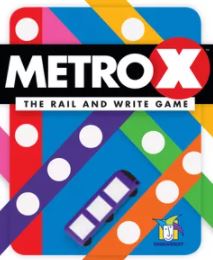
In this colorful flip & write (like a roll & write but cards instead of dice!) reveal numbered/special ability cards to cross out subway stops on your dry-erase player board, trying to score the most points by completing routes. The most strategic on this list, I would recommend Metro X for older children and adults…sometimes this one burns my brain (in a good way!) Enjoy a good puzzle with your morning coffee? This also plays great solo! Skills: strategy, probability

Do you have questions about any of the games featured on our list? Want to share your family’s favorite Gamewright game with me? Comment below or message me to chat!

I am an Amazon affiliate and earn commission when you purchase through the links included on my website. Thank you for your support!
(Review) Dragon’s Cave


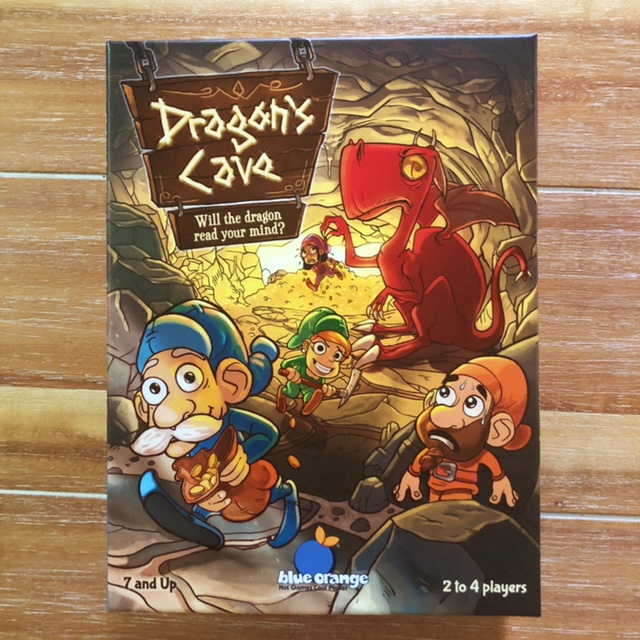
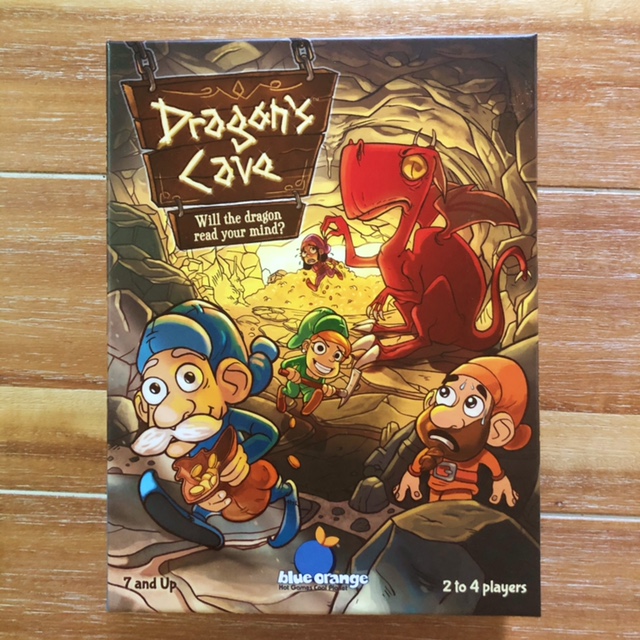
Dragon’s Cave is a fun, quick game that usually results in a lot of laughter around the table.

Here’s what we think about Dragon’s Cave, in our own words:

Stephanie: I am always up for a game of Dragon’s Cave. I enjoy push-your-luck games, and the suspense with this one is just enough for kids and families. We really get into the hiding of the gold in our hands – it is extremely dramatic. I feel like we rarely beat Brian, but, whatever.

Brian: I liked this game more with the first few plays, but it’s a great first game to introduce kids to the concept of probability. There are other children’s games I would rather play as a family, so this one isn’t a favorite of mine.

5 year-old: I like to play the game. I like the coins. I like the cards. I also like the little dwarves.


Who should play: families who want a quick game that is easy to learn and fun for all ages


Good for newbies? 
For sure – it’s an accessible family/children’s game.

Good for kids? Blue orange designs many fun family games. Dragon’s Cave works well for children as young as 4-5 years old.

Want to learn more about Dragon’s Cave? Check out this post that covers the game in-depth!

Dragon’s Cave

A shout-out to the awesome Andrew and Anitra over at The Family Gamers podcast, who sent us a copy of this game. Thank you!

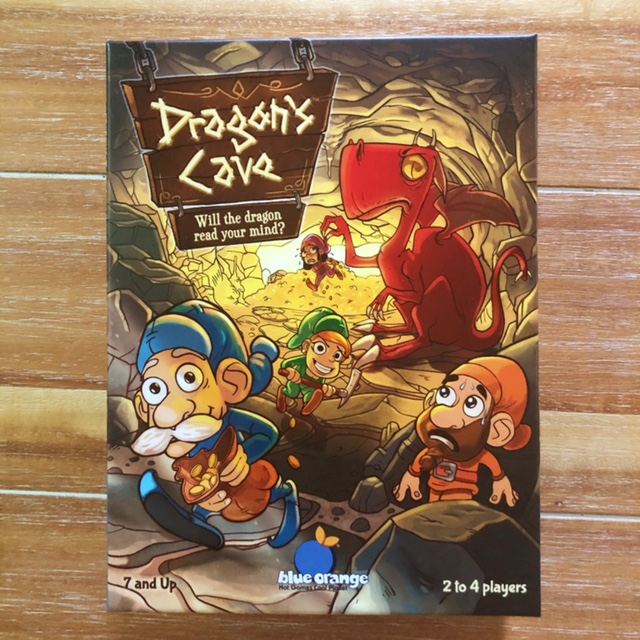
Sneak through the dragon’s cave collecting gold…but look out! If the dragon guesses your next move, you’ll need to go back on the path and risk losing your gold!

Further reading: our family’s review

Dragon’s Cave

Designer: Marco Teubner

Publisher: blue orange

2-4 players

approx 20 minutes

Theme: dragons / treasure

Mechanisms: action retrieval, push your luck


Overview

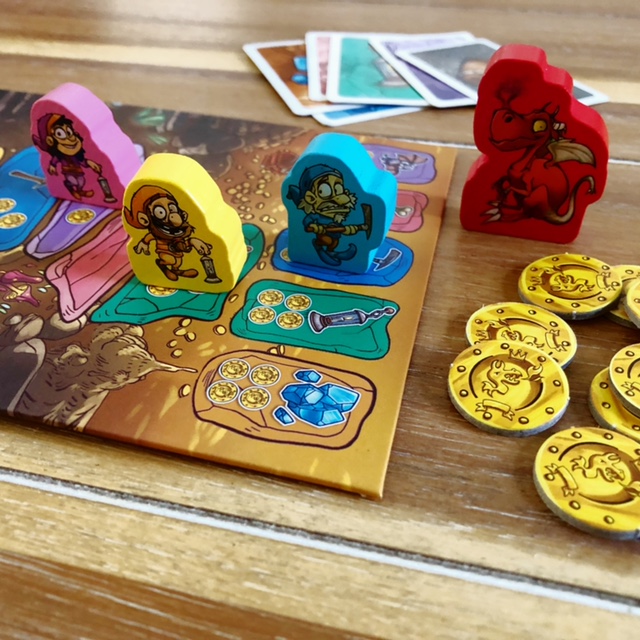
Players take on the role of brave little dwarves who, lured by the promise of gold, enter the dragon’s cave to explore its riches. The dragon, played by an alternating player each round, tries to guess which colored area the dwarves will advance to, hoping to guess correctly, collect their gold, and send them back on the path.

Components

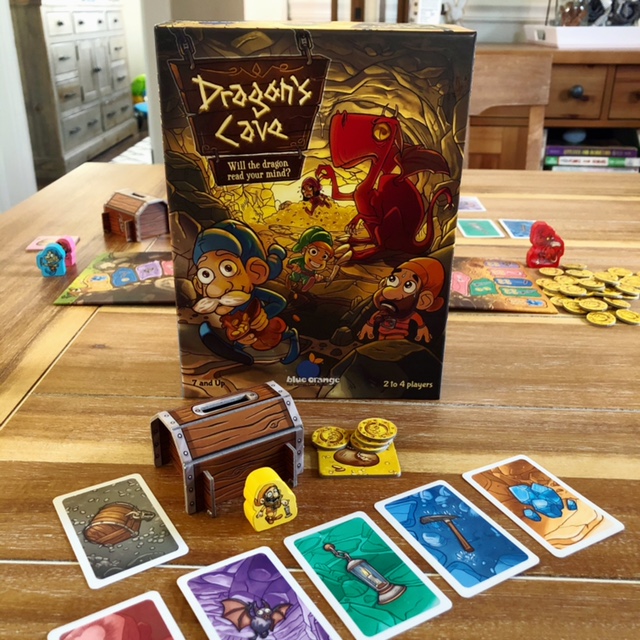
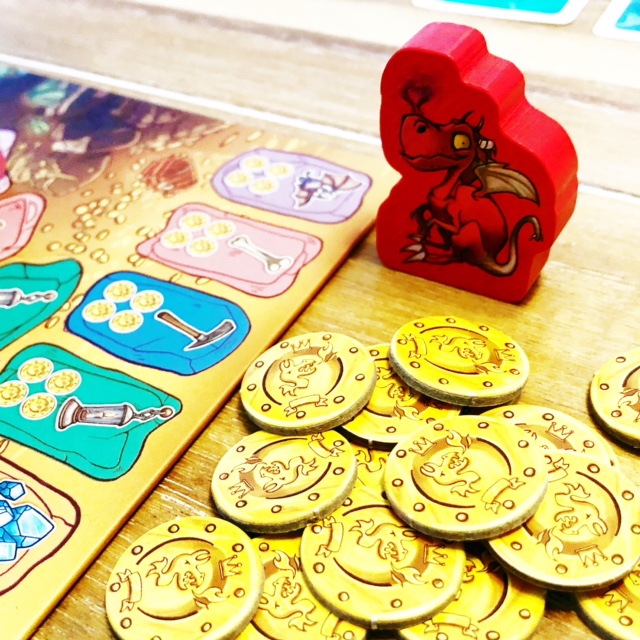
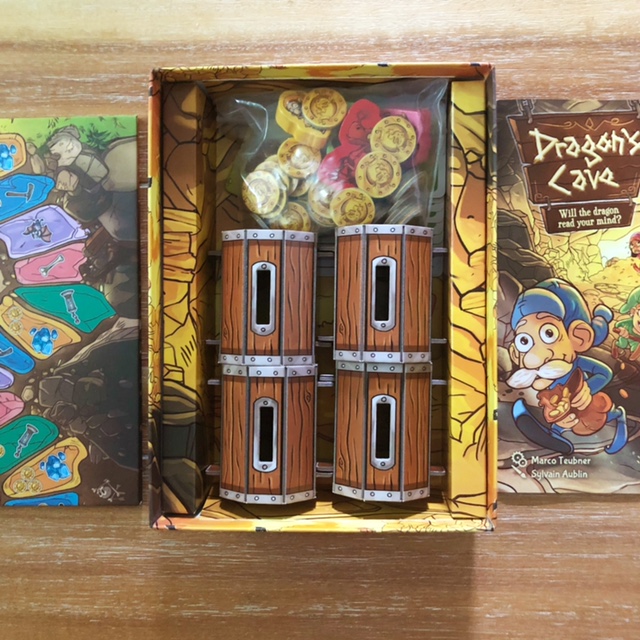
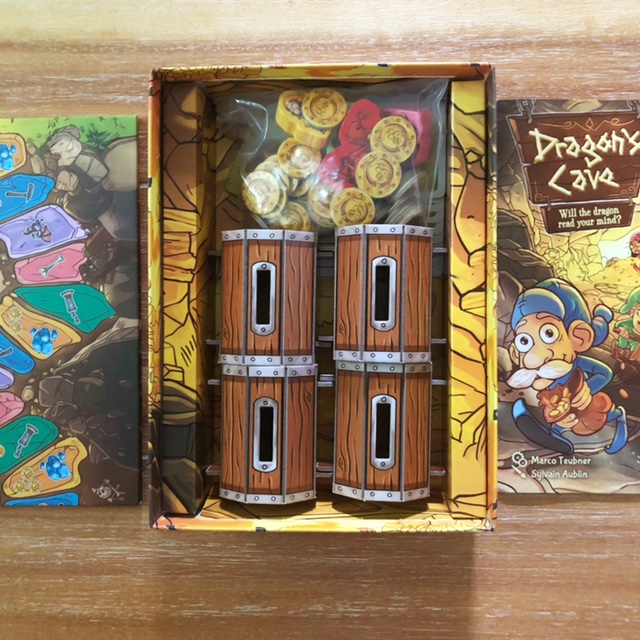
The components of the game are simple, but well-made and fit perfectly inside the box. The dwarves and dragon are nice chunky wood, and the treasure chests and gold coins are heavy cardboard. The cards are of good quality.

Rule Book

Easy to read – no issues.

How the Game Plays

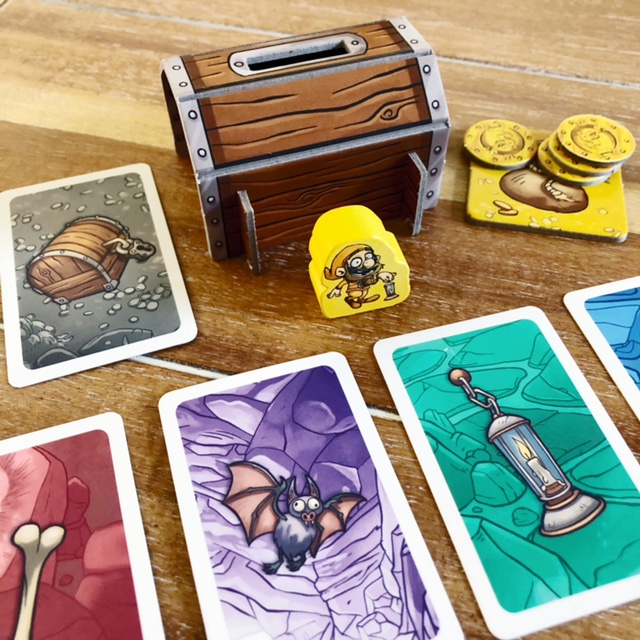
Each player receives a colored dwarf, a coordinating set of colored cards representing the spaces on the cave’s path, a treasure chest, and a treasure square.

The youngest player will play the first round as the dragon, and then this role will move clockwise around the table. The other players will be dwarves.

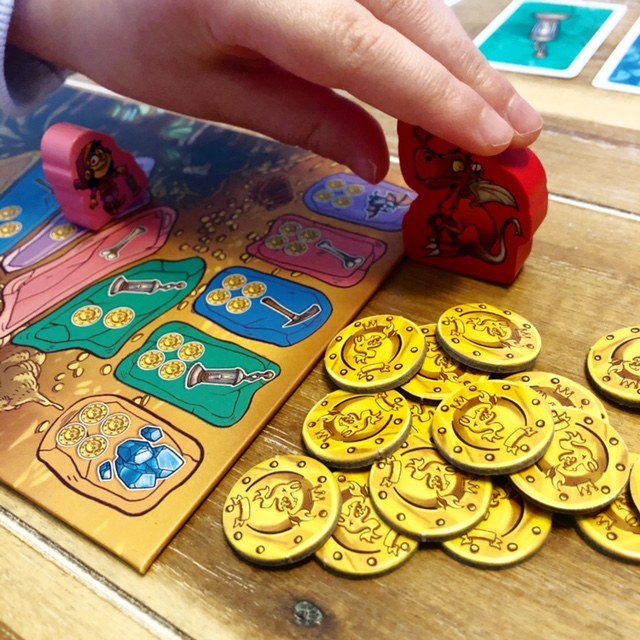
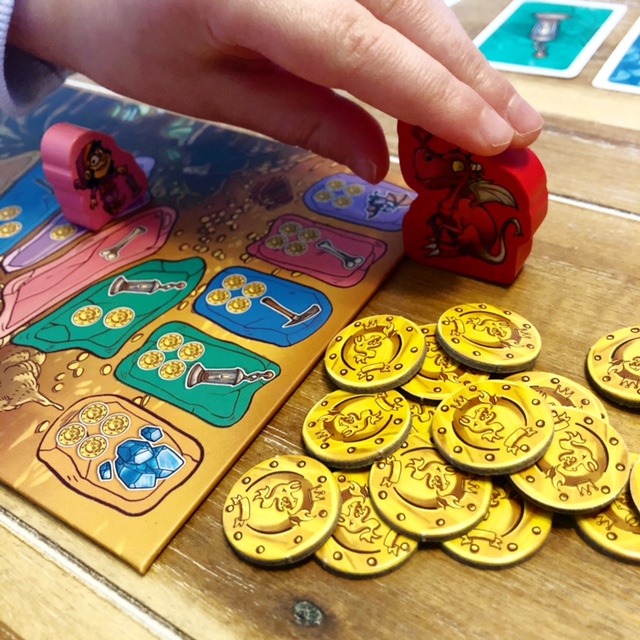
Decide which colored area you would like to move your dwarf to, laying the corresponding card face-down on the table. Once all players have selected and laid out their cards, the dragon chooses a colored space at the top of the board.

If the dragon chooses your color: you must take any treasure NOT inside your treasure chest, secretly place it in one hand or divide between both hands, and allow the dragon to choose a hand. You must then move back to the previous square of the same color.

If the dragon does not choose your color: you advance your dwarf and take any gold earned, placing it on your treasure square – NOT in the treasure chest.

Any cards played remain in front of each player until the player “resets” their hand by playing the grey treasure chest card and moving the gold coins from the treasure square to the treasure chest, which protects the coins from the dragon. The cards then go back into the player’s hand.

Play continues, rotating roles, until a dwarf reaches the end of the path and takes the bonus coins. Count up all coins in your treasure chest and on your treasure square – the player with the most coins wins.

Who Should Play?

This is a fun children’s/family game that could play well with children as young as 4-5 years old. It’s relatively quick and has silly moments, sure to make for lots of laughs. Children could become frustrated if the dragon keeps guessing the color they choose, preventing them from advancing through the cave.

Math Games for Preschool/Kindergarten

Here are some of our family’s current favorite games for practicing math skills with our daughter:

Push

Sort cards into a maximum of three piles without duplicating color or number, trying to bank the most points. Push your luck, and you might bust and miss out on taking a card stack and then have to roll the dice to discard! We sort cards into piles of ten to practice addition and counting by tens during end game scoring.

Roll for it!

Roll your dice to match the dice required by each card to earn the card for scoring, but watch out, because other players might want the card too! The first player to collect enough cards to reach 40 points wins. We use this game for dice and pattern matching, and addition.

Dragonwood

Collect adventurer cards in sets of matching colors, numbers, or in sequential order to earn dice to roll for capturing creatures in the forest. The six dice are numbered from 1-4, so practicing addition is fantastic in this game. Probability also factors in – how many dice do you need to try to roll a particular number? Our daughter sometimes needs help with this skill.

Check the Oven!

Collect various baked goods to equal a dozen each by requesting from players what you would like. (Go-Fish-style.) The game also involves bluffing, as all players must lay down cards on each turn. Get rid of the pie cards, because they cost points at the end of the game. This is a good game to introduce basic addition to 12 points. Melon Rind games has additional titles in this series for more complex math skills too!

Sleeping Queens

This was our daughter’s first card game, and it is still a favorite. Discard number cards or sets of matching number cards to draw from the draw pile, hoping to find king cards to wake the sleeping queens. Each queen has a point value – the first player to 5 queens or 50 points wins. Watch out for knights and sleeping potion! This is a perfect game to introduce number recognition and number matching to little gamers.

rat-a-tat Cat

Deal four cards facedown to each player, only peeking at the two cards on the ends. Draw a card each turn, hoping to replace the higher value cards with lower value cards, aiming for the lowest score. When you’re ready to score, call out “rat-a-tat-cat!” and each player takes their final turn. Memory and basic addition of cards numbered 1-9 are practiced with this game. It’s one of our family’s favorites, and we play five rounds per game then score.

I am an Amazon affiliate and earn commission when you purchase through the links included on my website. Thank you for your support!